
Benkó Dixieland Band – The Story
Benkó Dixieland
- a történet -
The Beginnings
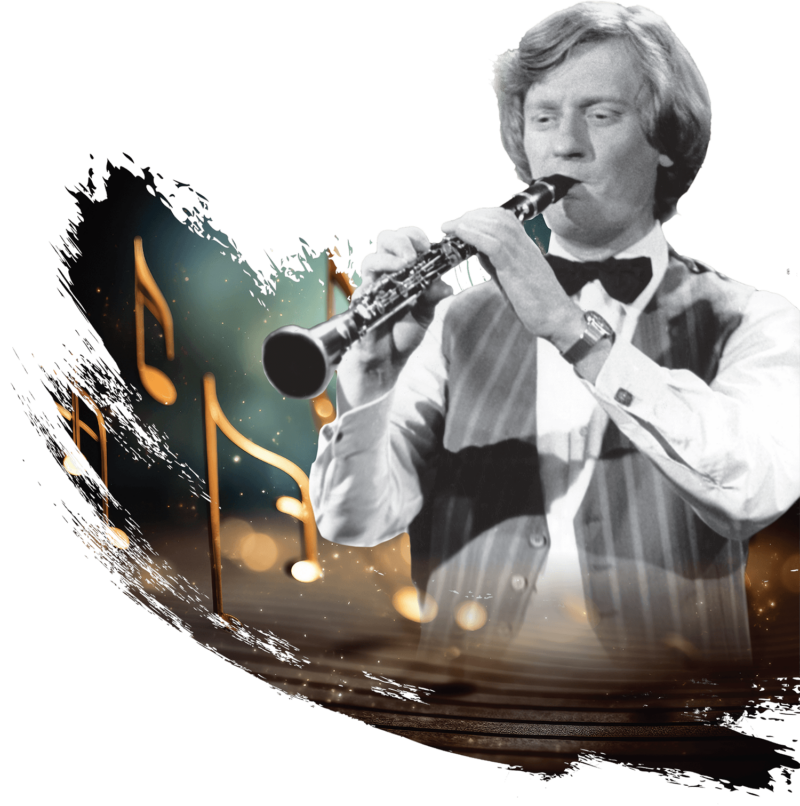
The history of the Benkó Dixieland Band (BDB) began in 1957, when Sándor Benkó and his friends came together to play Dixieland music evoking the atmosphere of New Orleans. Initially, they performed at the Béka Club in Budapest, where they were soon giving sold-out concerts. In addition to dixie, they also played dance music. Their popularity is reflected in the fact that in 1960, based on audience votes, they won the Grand Prize at the Budapest Youth Jazz Festival. Until the arrival of beat music in Hungary and the emergence of the Illés – Metró – Omega trio, they were the number one favorites of the audience.
Between 1957 and 1963, more than seventy musicians passed through the band, including future leaders of well-known pop groups who began their careers here. Among those who played in the Benkó Dixieland Band were Zsolt Baronits (Syrius), László Benkő (Omega), Ferenc Bokány (Metró), Károly Frenreisz (Metró, Locomotiv GT, Skorpió), József Laux (Omega, Locomotiv GT), György Oroszlán (Bergendy), and Antal Solymos (Express).
In the early 1960s, beat music was on the rise, and several members of the band wanted to follow this new direction. However, Sándor Benkó, the band’s leader, remained steadfast. He decided to reorganize the group and put an end to the constant changes in personnel. He selected like-minded colleagues from the Budapest University of Technology and Economics who agreed with his vision: after completing their studies, they would work as engineers full-time while pursuing music at a professional level alongside it. From 1963 onwards, the musicians who would define the band’s later identity began to emerge: János Járay (drums), Jenő Nagy (banjo), István Mankovits (double bass), Béla Zoltán (trumpet), and Béla Bagyari (piano).
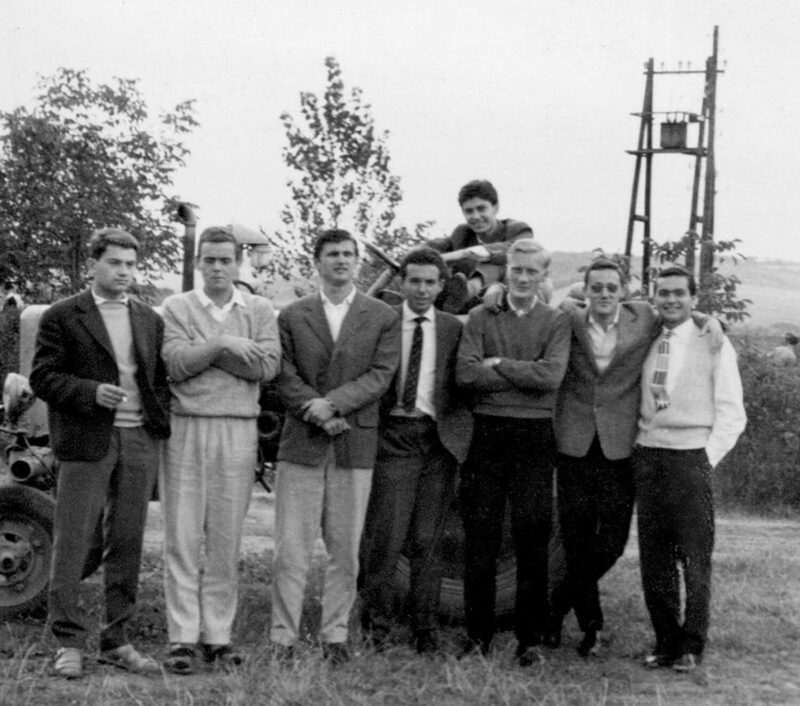
On tour in Siófok (1961) – From left: Winkelmayer, Dávis, Tóth, Babai, Varga, Benkó, Szenczy, Urbán.
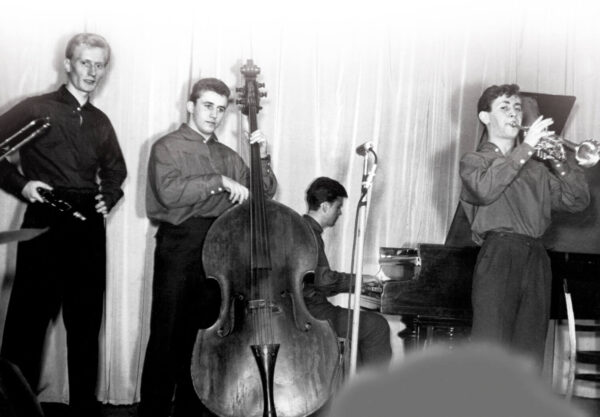
As the band of the balls at the Gellért Hotel (1962) – From left: Koppány, Tóth, Winkelmayer, Varga, and Benkó.
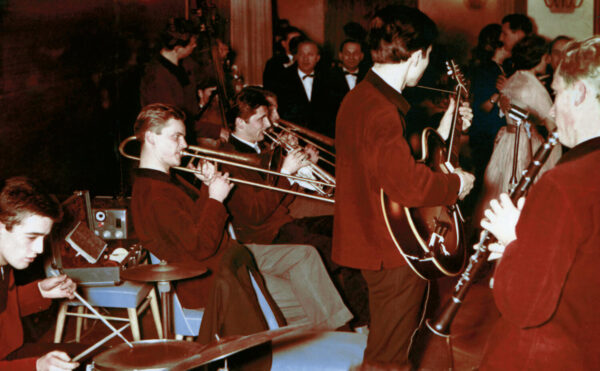
On the stage of the József Attila Secondary School (1957)